Picture a better middle school, one where every kid reaches their full potential.
Redefine Learning Academy is a 1-to-1 middle school in Bend. Your student is taught individually, moves forward when they're ready, and you know every Friday exactly where they stand.
In the news: “New Bend middle school caps class size at 12 students” in The Bulletin
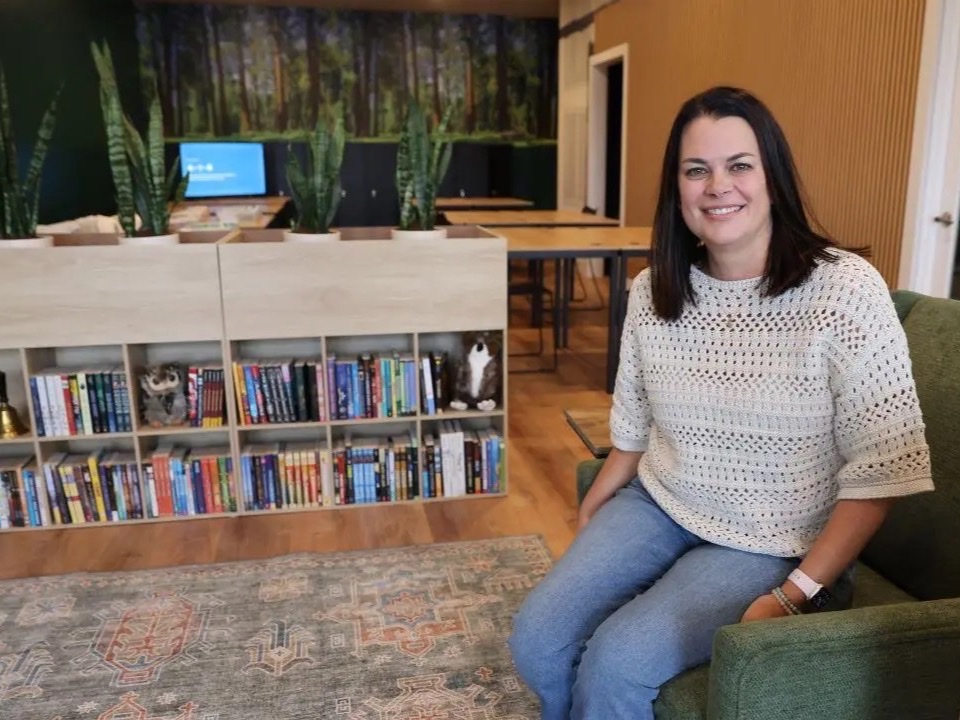
“It's the best decision we've ever made for him.”
Why middle school matters
A middle schooler's brain is built to learn.
-
1
Between 11 and 14, the brain goes through a second growth spurt.
Connections between brain regions surge, and for the first time kids can reason abstractly: solve for an unknown, test a hypothesis, weigh one argument against another. The brain is also sorting itself out. The connections they use get stronger, and the ones they don't start to fade. What they spend these years doing gets built in.
-
2
It's prime time for learning.
“At no other time in life do children have a greater capacity to learn than during adolescence.”
Michelle Anthony, PhD -
3
But kids also become hypersensitive to their peers.
The same changes make adolescents wired to care what their peers think, and intensely sensitive to acceptance and rejection. Peer influence peaks in exactly these years.
-
4
In a typical middle school, the peers win.
The social scene becomes half the day, and the pressure intensifies just as kids arrive. Test scores drop the year they move into a typical middle school, and stay down through 8th grade.
-
5
But at RLA, the learning wins.
Our day is too focused for the social scene to take over: every block goes to the core subjects, one-to-one. They build a foundation so solid they walk into high school with confidence and momentum.
Sources: Anthony, Scholastic · The Hechinger Report · Adolescent social brain review · Rockoff & Lockwood, via Fordham Institute
Why it works
We establish confidence first.
-
1
Kids today reach middle school with gaps in their learning.
Something in 3rd grade didn't quite stick. Then something in 4th was built on top of it. By 6th grade, the holes are part of the foundation, and nobody has gone looking for them. Even kids who breeze through school have them; they've just learned to work around them.
-
2
Traditional middle school tries to build on that rocky foundation.
A typical class has thirty kids and a pacing guide to keep. Nobody goes back for 4th-grade fractions, so every new lesson rests on the crack.
-
3
And the launch doesn't hold.
They try to take off anyway, and without the pieces underneath, it comes apart. Grades slip, confidence goes with them, and a capable kid starts to believe they're just bad at math. That's where the angst comes from: not a lack of effort, a launch pad that was never solid.
-
4
But if we fill in the gaps first…
Before we teach anything new, we check what it stands on. We find exactly which pieces are missing and put them back, one at a time, until the foundation is solid.
-
5
…they blast off.
On solid ground, new material stops being a fight. Kids don't just catch up. They're free to accelerate.
-
6
And when they reach high school, they're ready.
They're prepared for the work, and confident enough to take on the social challenges and make the right decisions.
How it works
How we make it possible
Six kids to a teacher, so one-to-one every block
With only six students per teacher, your child sits down one-to-one with their teacher in each of the day's three core blocks. A quick check on what stuck, ten or fifteen minutes of instruction, and then they keep working on their own while the teacher moves to the next student. If your child has an off day, their teacher sees it that day, not at conferences in November.
Meet RachaelTechnology that lets the teacher teach
We built our own platform for one-to-one teaching, and it handles everything except the teaching:
- Records and transcribes each session, so nothing the teacher noticed gets lost
- Tracks exactly where your student is on every skill map
- Helps prepare instruction guides and practice written just for them
- Builds the report you get every Friday
We use AI for that planning and prep. Your child works directly with their teacher.
We focus on the core subjects
Math, literacy, science and history, grounded in established research and adapted to the student sitting in front of us:
- Skill maps that reach back to the early grades, so a missing piece can be found and put back
- A quick check before every new skill, so they never start a lesson they can't follow
- Instruction guides for the work done together, and practice for the work done alone
So the work your student does is the work they actually need.
See the curriculumWe encourage extracurriculars
Our focused academic day ends at 1:45. That leaves the afternoon for the things they love outside of school: the team, the band, the art studio, the robotics club. And they get there without racing across town to make it.
Research on adolescents finds real social skills get built in structured activities like these, with a shared goal and an adult in charge, not in a crowded hallway. Source
More time to find what they love, and what they're great at.
Most of us picture middle school the way we experienced it: crowded hallways, thirty kids to a classroom, sprinting to beat the bell, and the gum the kid behind you stuck in your hair.
Instead, picture this.
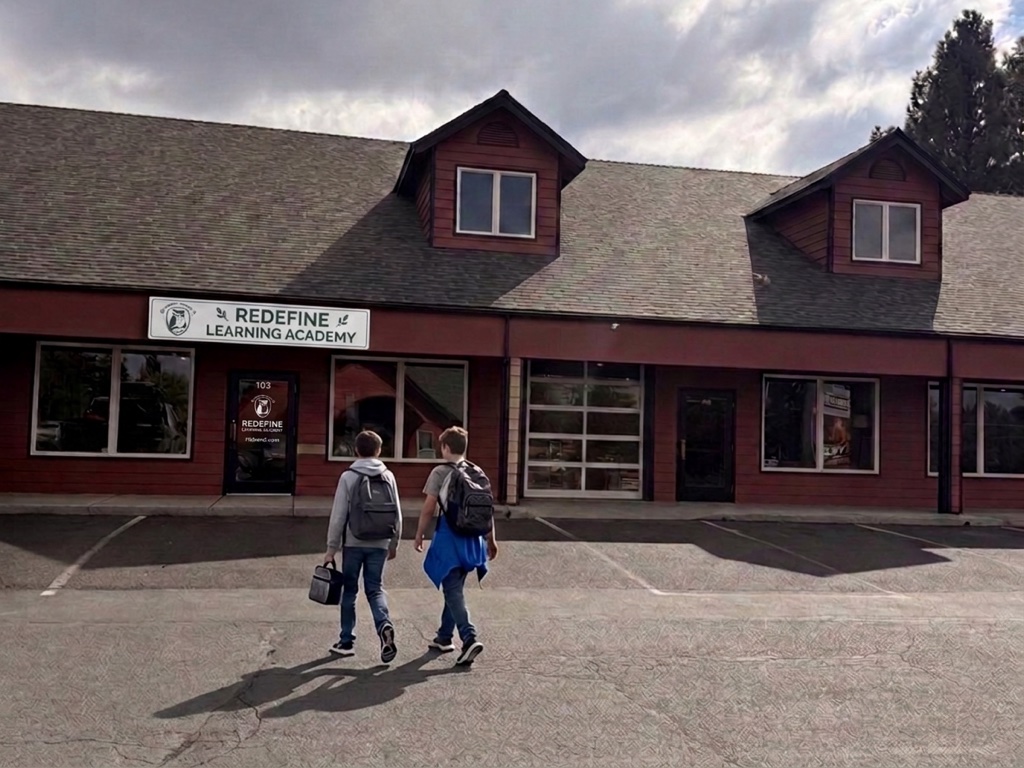
Picture drop-off at 8:25.
You pull up, they get out, you drive away. There's no line of ninety cars, because there aren't nine hundred kids.
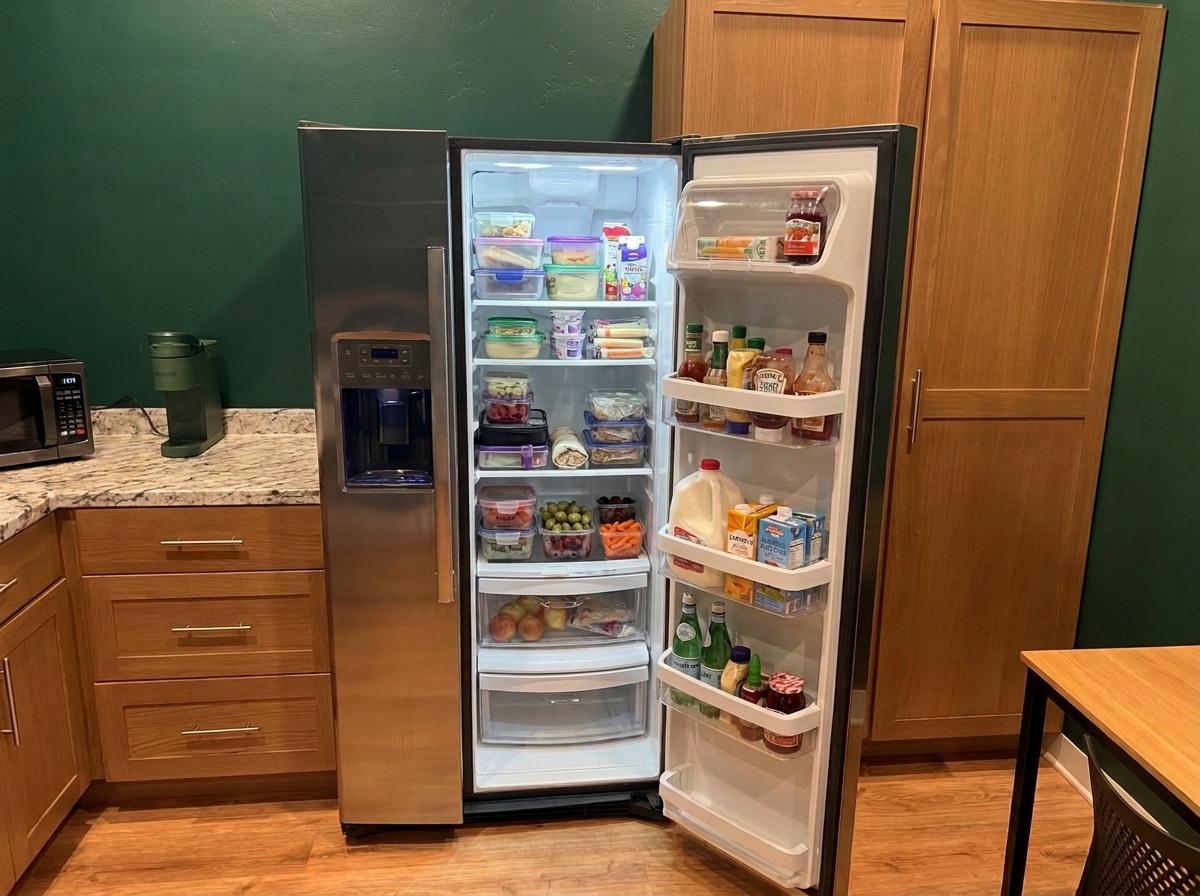
Picture all the comforts of home.
We set up the school like a coworking space, just for kids. They stock the fridge and freezer with whatever they'd eat at home, use the microwave and toaster when they're hungry, and work from the couch or a beanbag when that's where they think best.
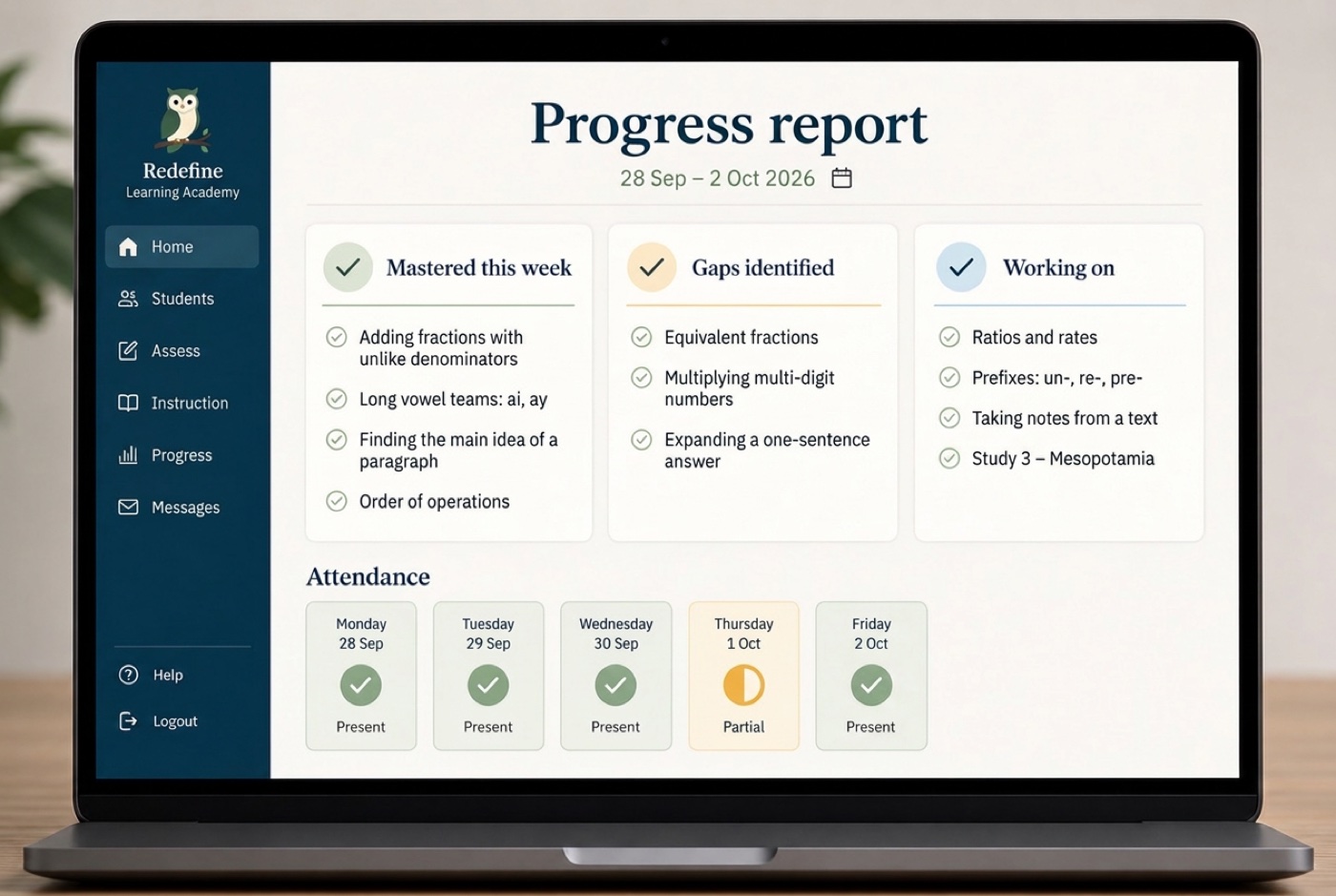
Picture being in the loop.
Not just at parent-teacher conferences. Every Friday you get a report showing what your student worked on, what they mastered, and how they're progressing toward the goals we set together.
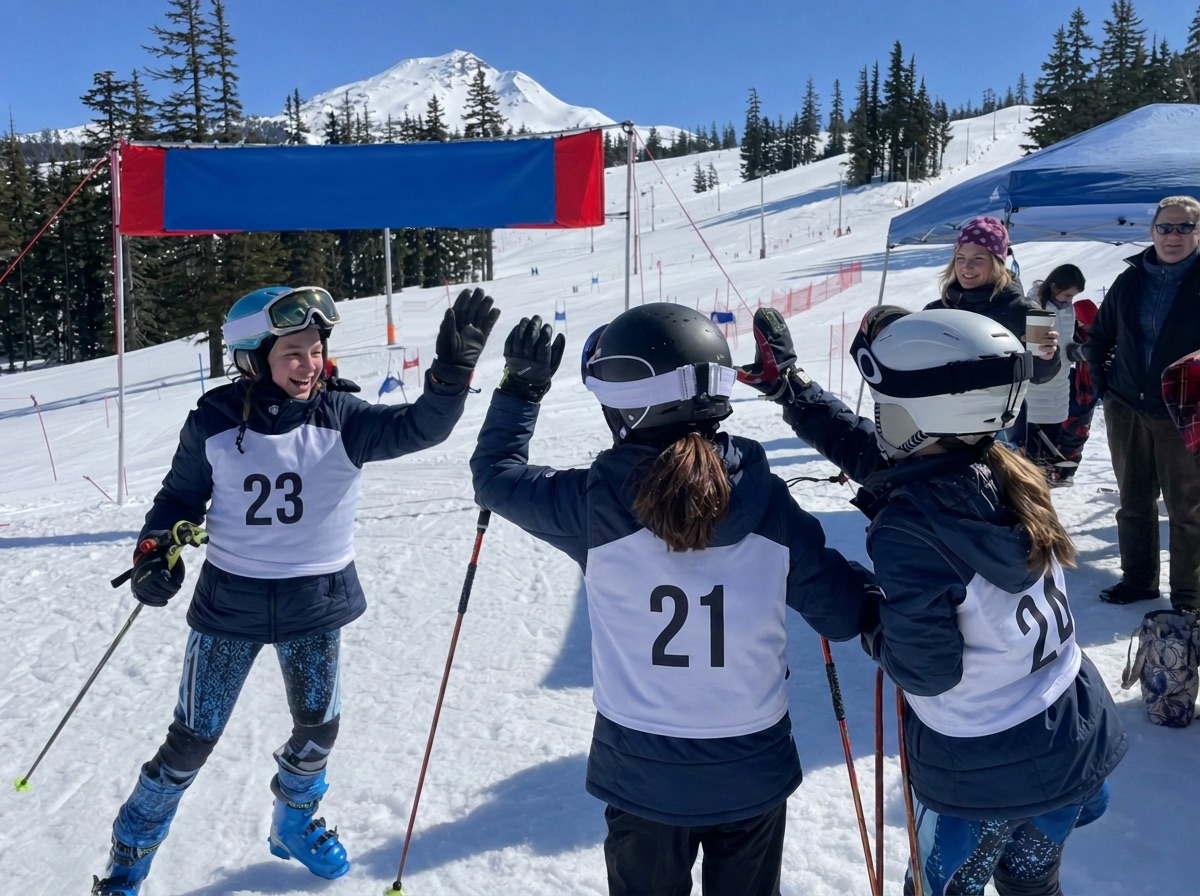
Picture missing school without the worry.
A race weekend with the ski team. A tournament in Boise. A family trip that lines up with a parent's work, or just a week with the flu. There's no class to fall behind and no makeup work, because the work was never on a calendar to begin with. When they come back, they pick up right where they left off.
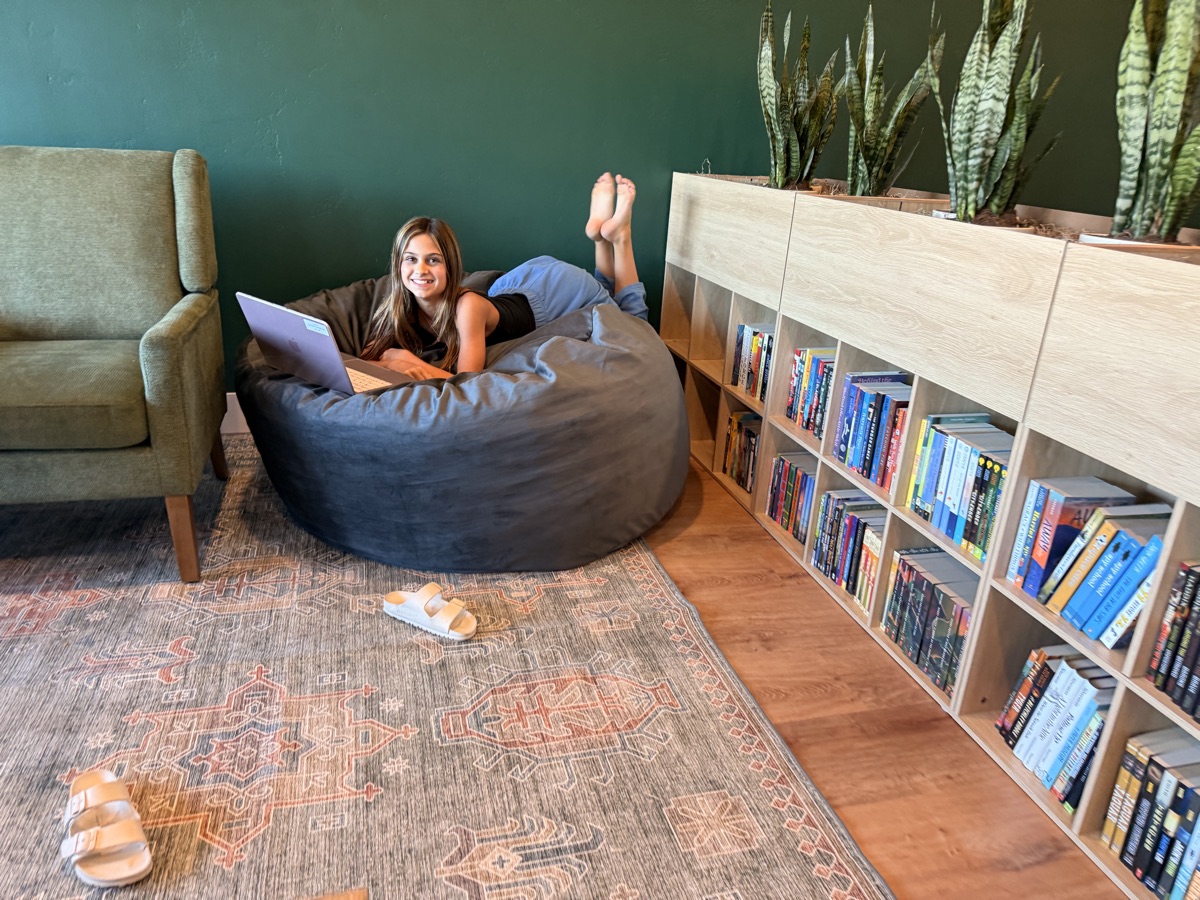
Picture cortisol-free learning.
Put it all together and school stops being the hardest part of your kid's day. No racing to keep up, no dreading tomorrow's class, no Sunday-night meltdowns over homework. Just a calm, curious kid who's moving forward, and a whole household that feels the difference. It changes more than school. It changes your life.
Times are changing. School doesn't have to be what it was for us.
Come see it. Fifteen minutes in the building will tell you more than this page can. We enroll year round, space permitting: because instruction is one-to-one, a student can start any week of the year and begin exactly at their own level.
Now Enrolling · Bend, Oregon